Introduction
Artificial intelligence is no longer a futuristic concept — it has become a powerful productivity partner in everyday life. From writing emails and managing schedules to analyzing data and automating repetitive tasks, AI for productivity is helping students, professionals, and businesses work faster and smarter.
Recent workplace studies show that organizations adopting AI tools are seeing measurable improvements in efficiency, quality, and workflow management. Around 38% of employees report AI integration in their workplace to improve productivity and performance.
In this guide, you will learn how AI improves productivity, the best tools available today, and practical ways to use AI effectively without replacing human creativity.
What Is AI Productivity?
AI productivity refers to using artificial intelligence tools to complete tasks more efficiently by automating repetitive work, assisting decision-making, and improving accuracy.
Instead of replacing human effort, AI acts as a digital assistant that helps people focus on meaningful and creative work.
AI systems can:
- Generate content and summaries
- Organize tasks and schedules
- Analyze large amounts of information
- Reduce manual errors
- Improve workflow speed
Research shows AI assistance can increase worker productivity by about 15% in task performance environments.
Why AI Is Becoming Essential for Productivity
Modern work involves constant communication, research, and multitasking. AI tools reduce workload pressure by handling time-consuming tasks.
Key Benefits of AI Productivity Tools
- Saves time on repetitive work
- Improves accuracy and reduces mistakes
- Enhances focus on important tasks
- Speeds up research and learning
- Supports better decision-making
Workers using generative AI report saving an average 5.4% of weekly working hours, equivalent to more than two hours per week.
👉 Internal Resource:
https://blogspirea.com/best-ai-tools-for-students
How AI Improves Productivity in Real Life
1. Automating Repetitive Tasks
AI can handle routine work such as formatting documents, answering emails, and organizing files. Automation allows users to spend more time on creative thinking.
AI tools also minimize human error and improve output quality by reducing manual data entry.
2. Faster Research and Information Processing
Instead of searching multiple websites, AI assistants summarize information instantly and provide structured insights.
This dramatically reduces research time for students and professionals.
3. Smarter Writing and Communication
AI writing assistants help create:
- Emails
- Reports
- Assignments
- Blog content
- Presentations
Studies show knowledge workers using AI experience performance improvements between 10% and 25% in writing and analytical tasks.
4. Better Time Management
AI scheduling tools automatically:
- Plan meetings
- Set reminders
- Prioritize tasks
- Track deadlines
This reduces mental overload and improves daily organization.
Best AI Tools for Productivity in 2026
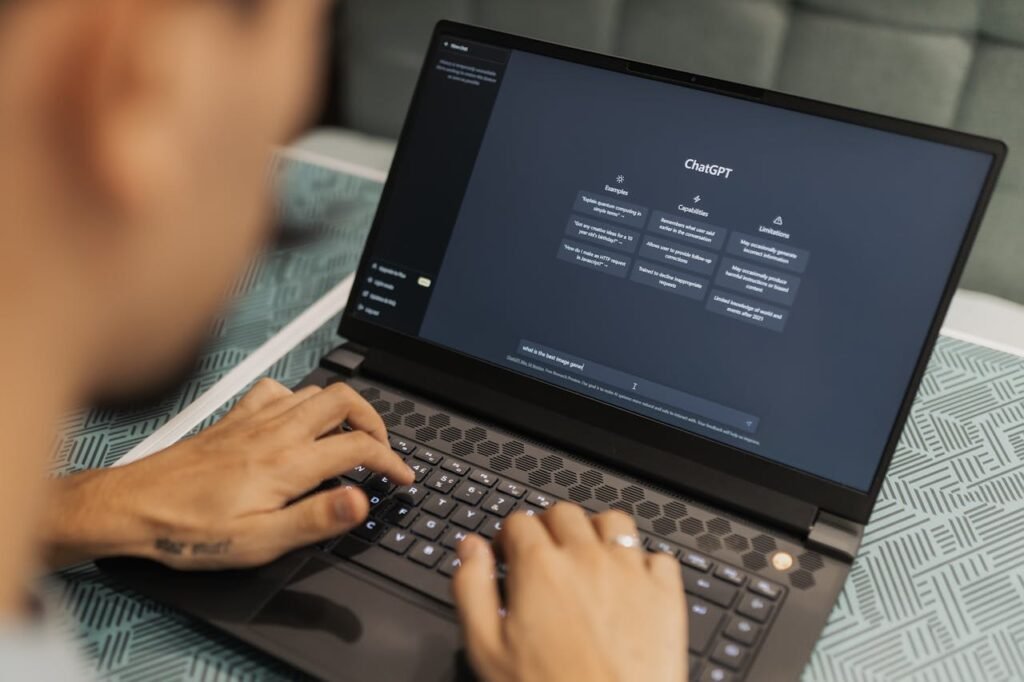
ChatGPT
Ideal for brainstorming, writing assistance, explanations, and workflow automation.
Notion AI
Helps organize notes, projects, and productivity systems in one workspace.
Grammarly
Improves grammar, clarity, and professional communication.
Canva AI
Creates presentations, visuals, and designs quickly.
Zapier AI Automation
Connects apps and automates workflows between tools.
AI productivity platforms help teams work faster by streamlining workflows and optimizing task management.
External Resource:
https://zapier.com/blog/best-ai-productivity-tools/
AI Productivity in the Workplace
Businesses worldwide are investing heavily in AI because of measurable efficiency gains.
- 57% of small businesses are investing in AI tools.
- About 30% of employees now use AI daily at work.
Economic forecasts suggest AI could boost global productivity by up to 15% over the next decade.
Companies are increasingly relying on AI to enable smaller teams to achieve higher output levels.
AI Productivity for Students and Creators
AI is not limited to corporate environments. Students and creators benefit equally.
AI helps with:
- Study summaries
- Content creation
- Learning explanations
- Project planning
- Creative brainstorming
Instead of spending hours organizing information, users can focus on understanding and creativity.
Common Mistakes When Using AI for Productivity
Over-reliance on AI
AI should assist thinking, not replace it.
Not Verifying Information
Always cross-check important facts.
Using Too Many Tools
Choose 2–3 tools that fit your workflow instead of using everything.
Ignoring Skill Development
AI works best when combined with human expertise.
Challenges and Limitations of AI Productivity
While AI improves efficiency, it also has limitations.
- Accuracy issues or hallucinations
- Privacy concerns
- Learning curve for new users
- Overautomation risks
Experts note that productivity gains depend on how well organizations integrate AI into workflows rather than simply adopting tools.
Future of AI Productivity
AI adoption continues to grow rapidly across industries.
Employees with strong AI skills experience significantly faster productivity growth compared to non-AI users.
Future developments may include:
- Personal AI assistants
- Automated workflow systems
- Smart learning environments
- AI-powered decision support
AI is expected to reshape how people work, learn, and manage daily tasks.
Tips to Use AI Productively Every Day
- Use AI for planning your day
- Automate repetitive tasks first
- Combine AI with human creativity
- Learn prompt writing skills
- Review AI output before using
Small improvements in workflow can create massive productivity gains over time.
Conclusion
AI for productivity is changing how work gets done. By automating routine tasks, improving accuracy, and accelerating learning, artificial intelligence helps individuals achieve more in less time.
The goal is not to work harder but to work smarter. When used responsibly, AI becomes a powerful assistant that enhances creativity, efficiency, and overall performance.
Start small, experiment with tools, and gradually build an AI-powered productivity system that fits your lifestyle.